
Types of Retail Displays: A Complete Guide to POP Display Options
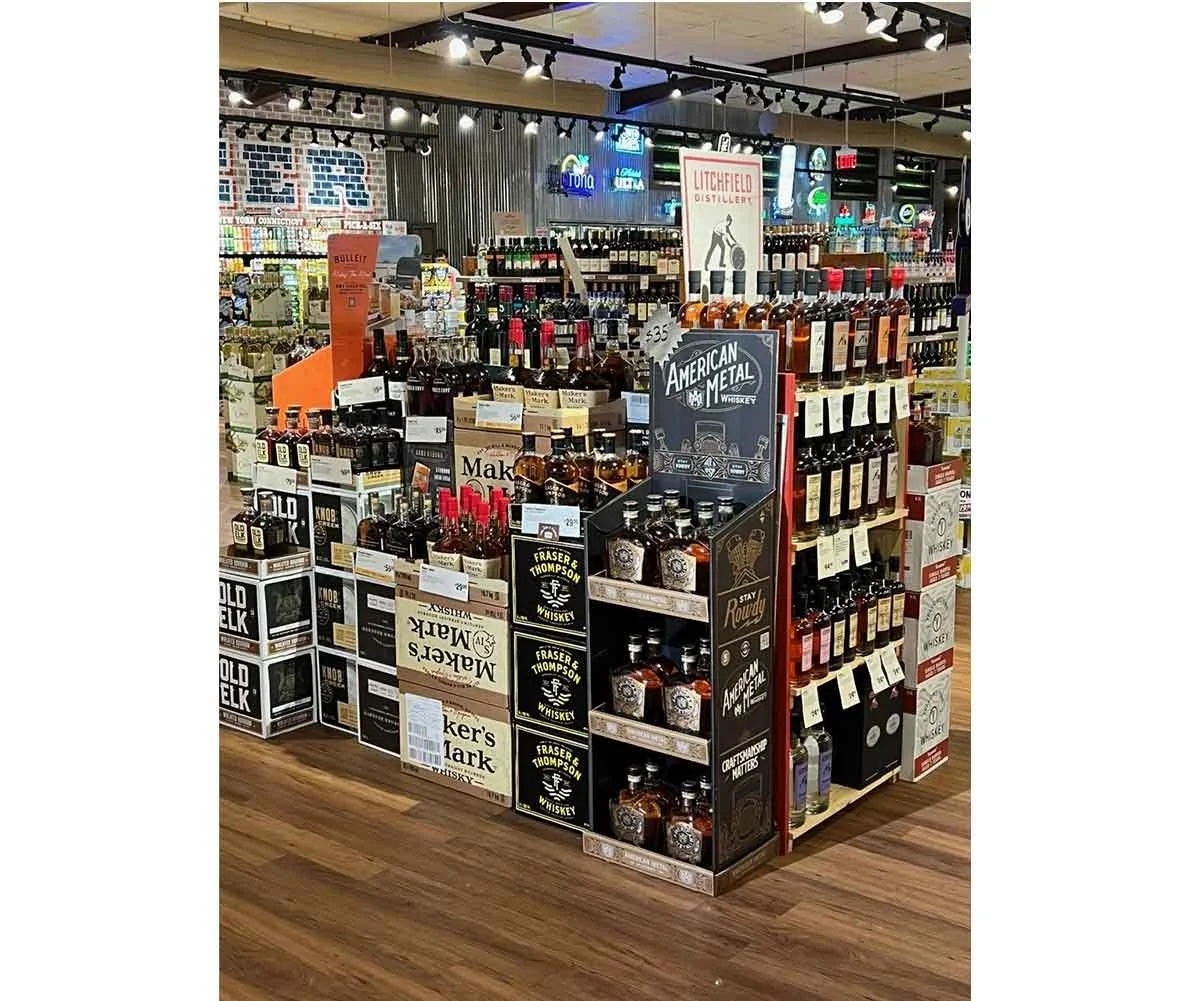
Floor Displays
Floor displays are freestanding merchandising units positioned throughout a retail store to attract attention outside the traditional shelf set. They are one of the most versatile POP display solutions and are commonly used for product launches, seasonal promotions, and high-volume merchandise.
Best For:
Beverages
Consumer packaged goods (CPG)
Snack foods
Seasonal promotions
Health and beauty products
Pet foods
Advantages:
High visibility
Large branding area
Multiple product facings
Encourages impulse purchases
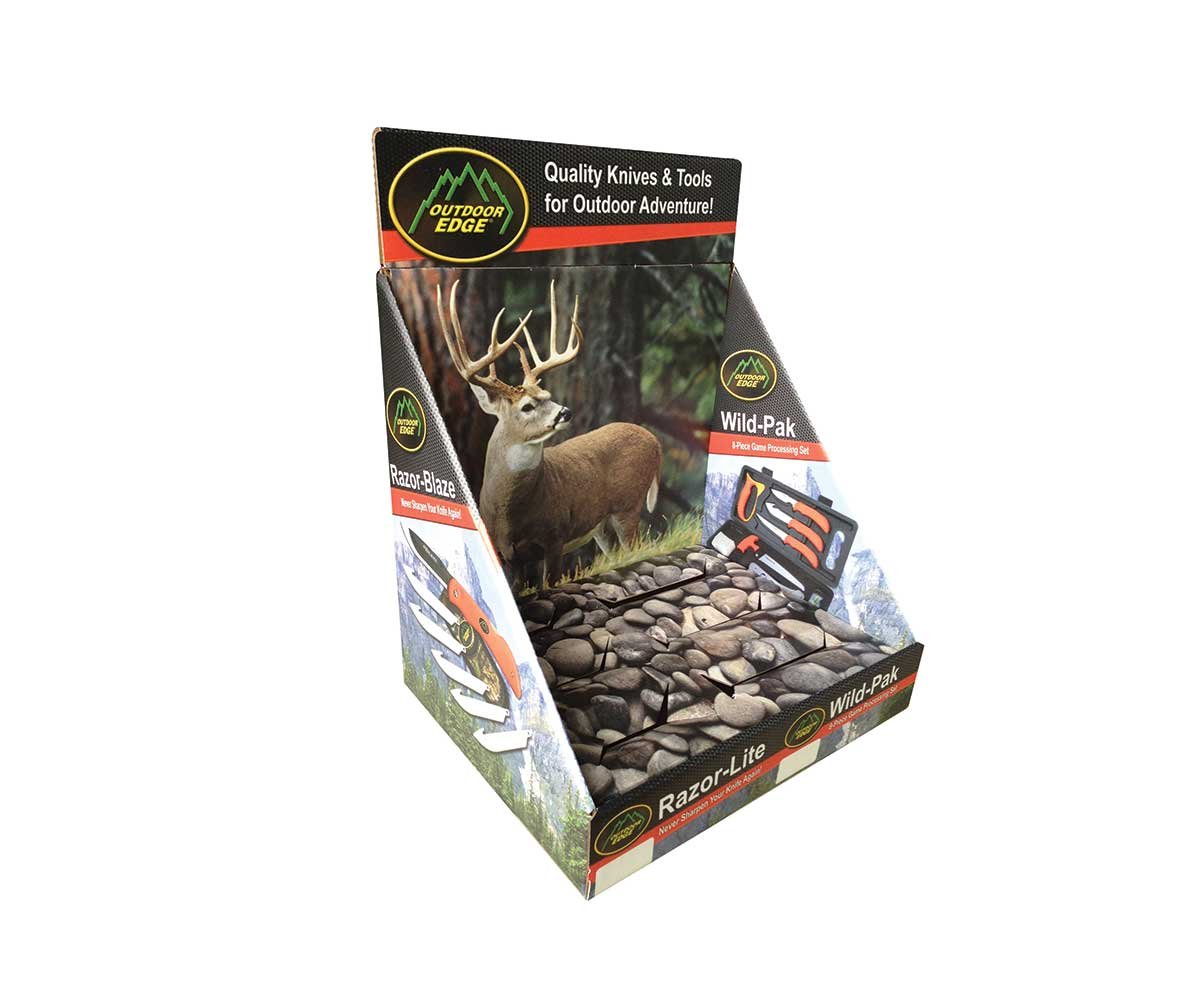
Example of a custom Counter Display
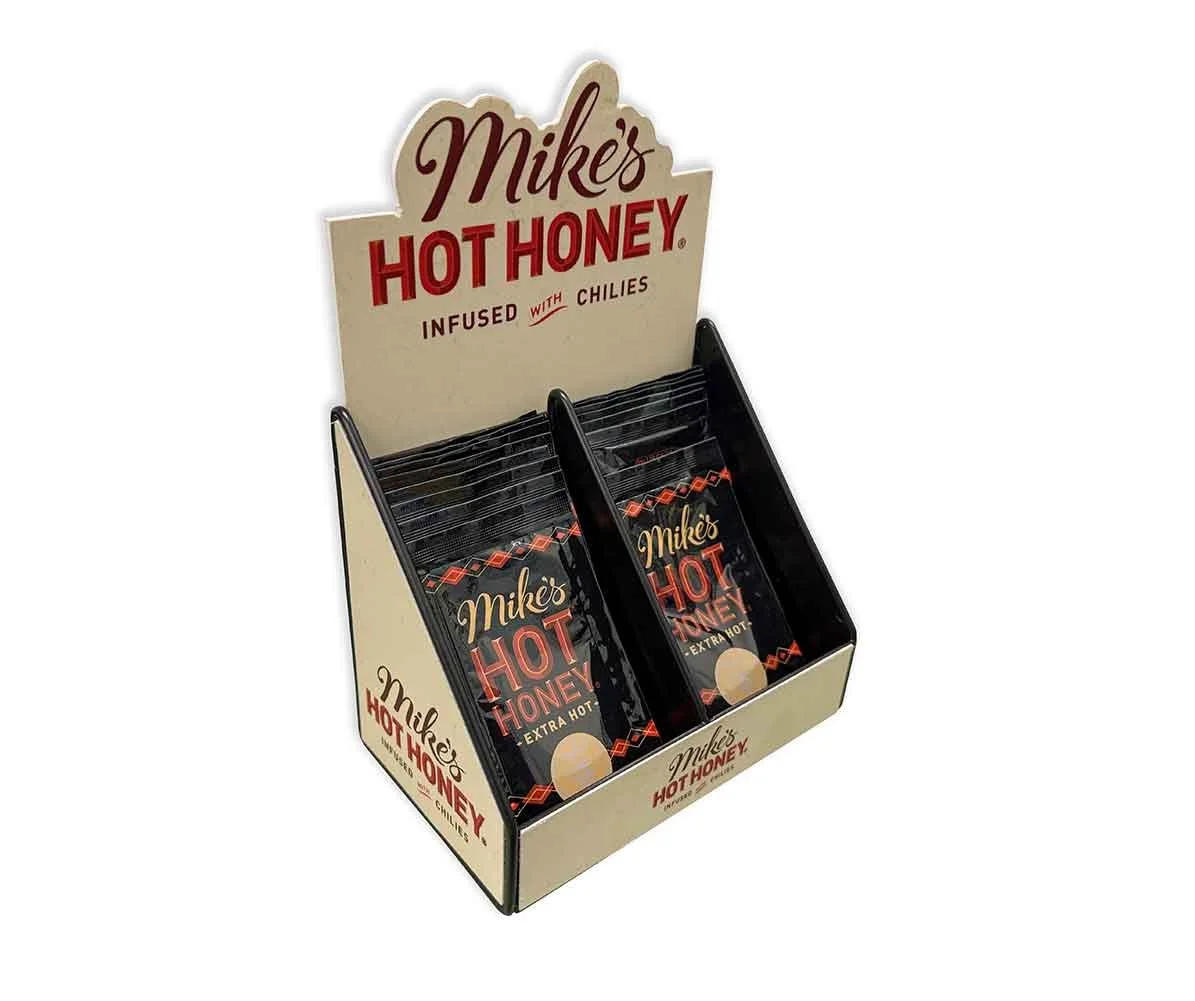
Example of a custom Counter Display
Gravity Feed Displays
Gravity feed displays use angled shelves that automatically move products to the front as items are removed. This keeps products organized, fully faced, and easy for shoppers to access.
They're especially popular within the beverage industry because they maintain an attractive presentation while reducing store employee maintenance.
Best For:
Beverage cans
Energy drinks
Bottled beverages
Packaged snacks
Advantages:
Self-facing products
Organized presentation
Reduced labor
Excellent product visibility
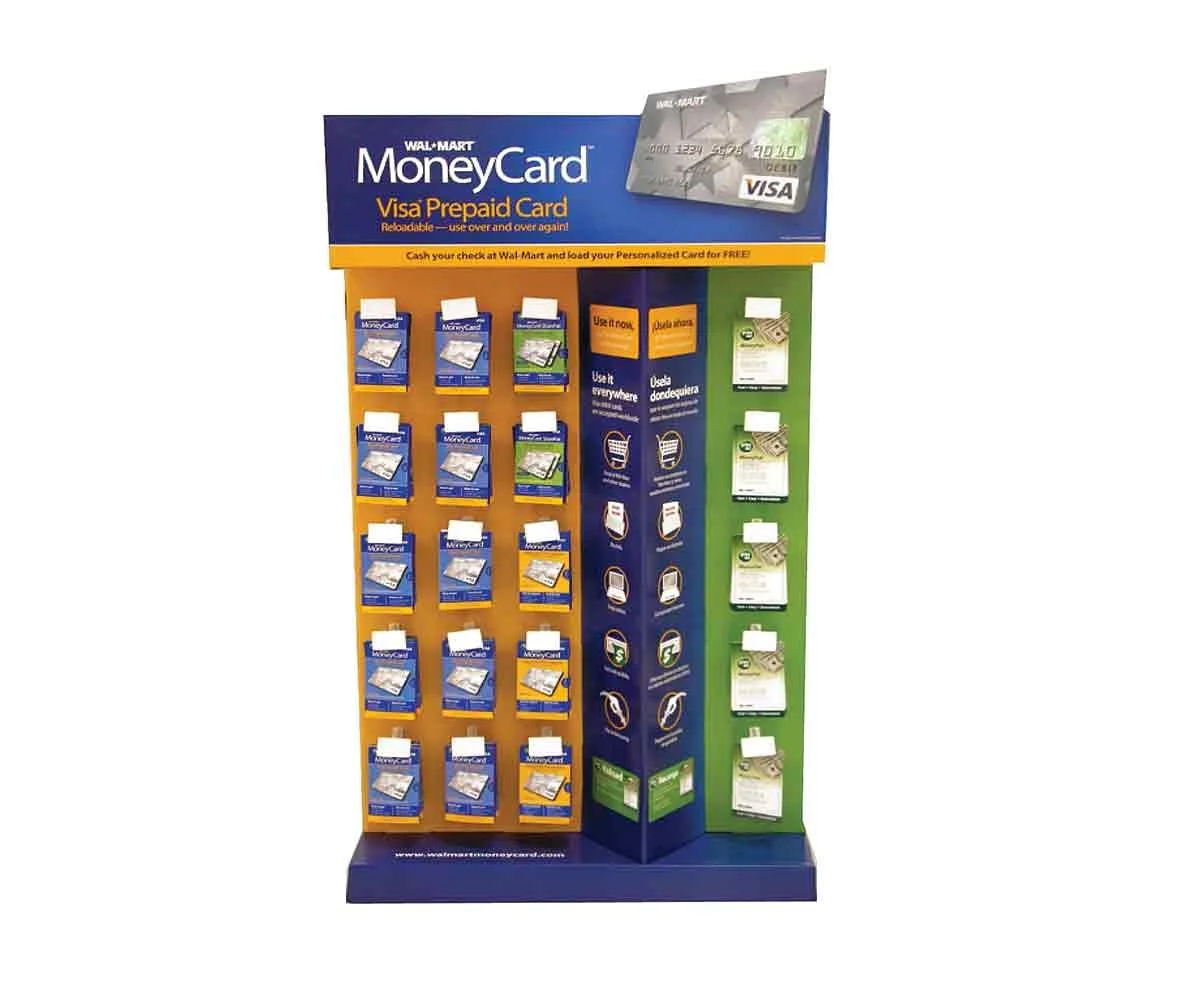
Example of a custom End Cap Display
Sidekick Displays
Sidekick displays attach directly to existing shelving, allowing retailers to merchandise complementary products without requiring additional floor space.
They're an excellent solution for cross-selling and encouraging add-on purchases.
Best For:
Accessories
Condiments
Small packaged goods
Promotional products
Advantages:
Efficient use of space
Cross-merchandising
Low cost
Easy installation
Case Stacker Displays
Case stackers allow retailers to merchandise full product cases while minimizing setup time. Instead of unpacking individual products, complete cases become the display.
They're especially popular in grocery stores, warehouse clubs, and beverage promotions.
Best For:
Beverage cases
Bottled water
Soft drinks
Club store promotions
Advantages:
Fast setup
Reduced labor
High inventory capacity
Ideal for promotional pricing
Finding the Right Display for Your Product
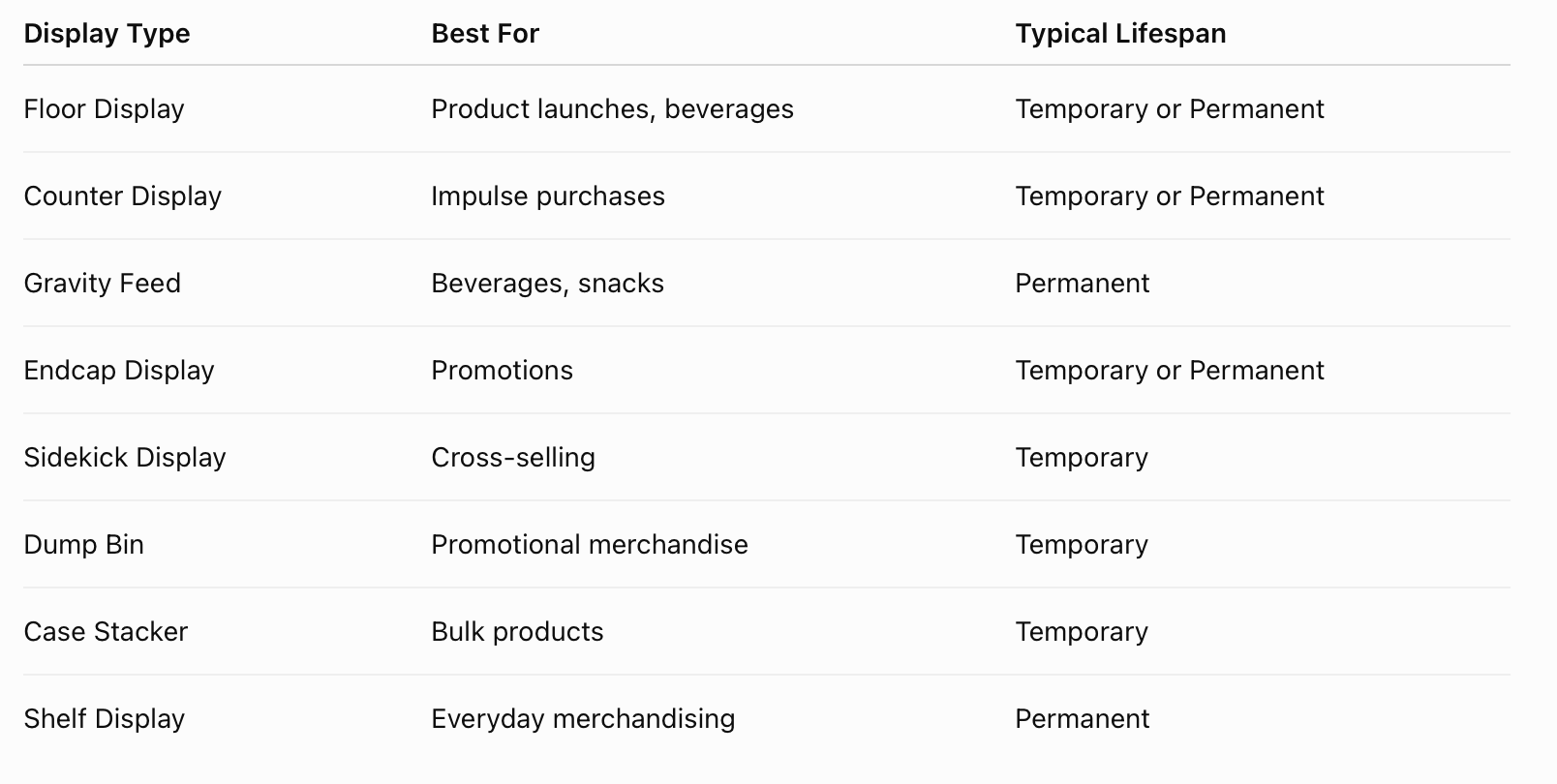
Retail displays come in many shapes, sizes, and materials, but they all share one goal: attracting shoppers and increasing product sales. Choosing the right display depends on several factors, including your product, retail environment, merchandising strategy, campaign duration, and budget.
Whether you're introducing a new product, launching a seasonal promotion, or building a permanent retail presence, selecting the appropriate Point-of-Purchase (POP) display can dramatically improve product visibility and shopper engagement.
This guide explores the most common types of retail displays and explains when each is most effective.
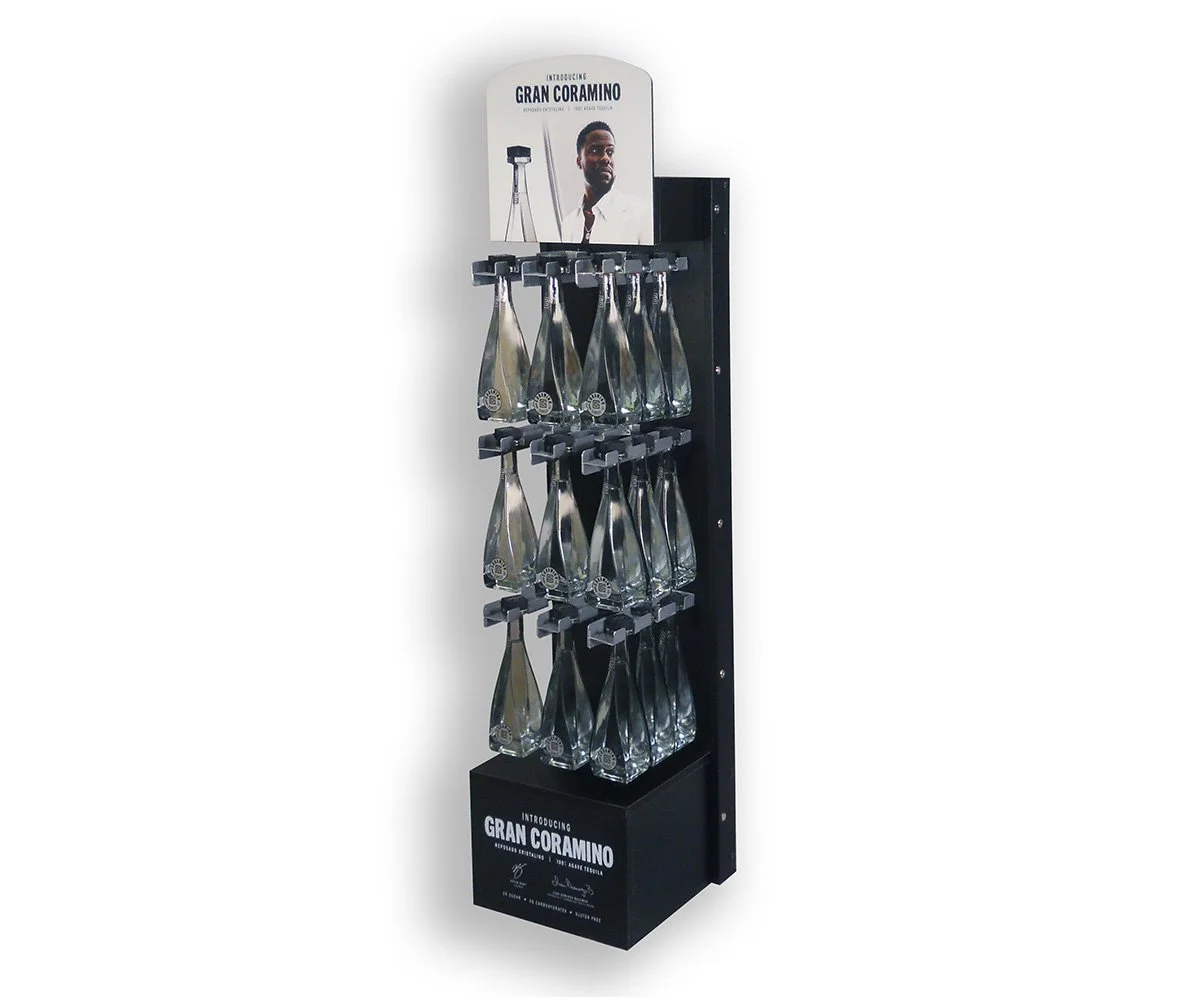
Example of a custom Floor Display
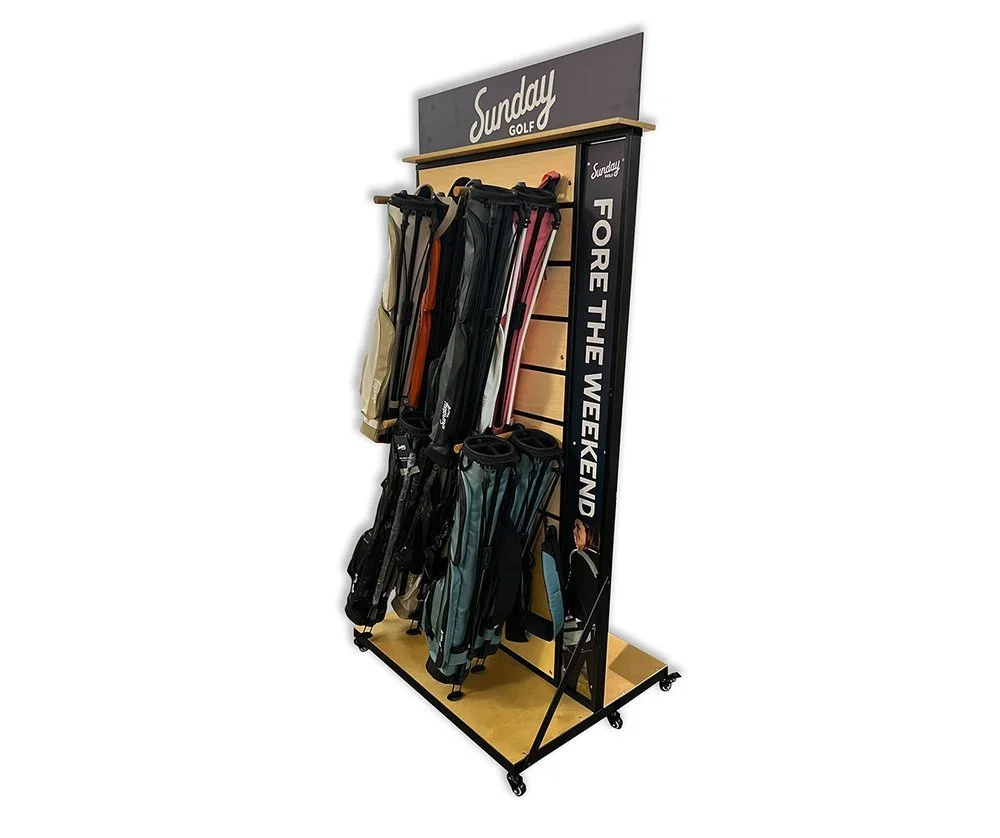
Example of a custom Floor Display
Counter Displays
Counter displays are compact merchandising units placed near checkout counters or customer service areas. Their small footprint makes them ideal for products purchased on impulse while customers wait to complete their transaction.
Best For:
Candy
Gift cards
Travel-size products
Cosmetics
Promotional items
Advantages:
Excellent for impulse buying
Minimal retail footprint
Easy to replenish
Ideal for limited-space environments
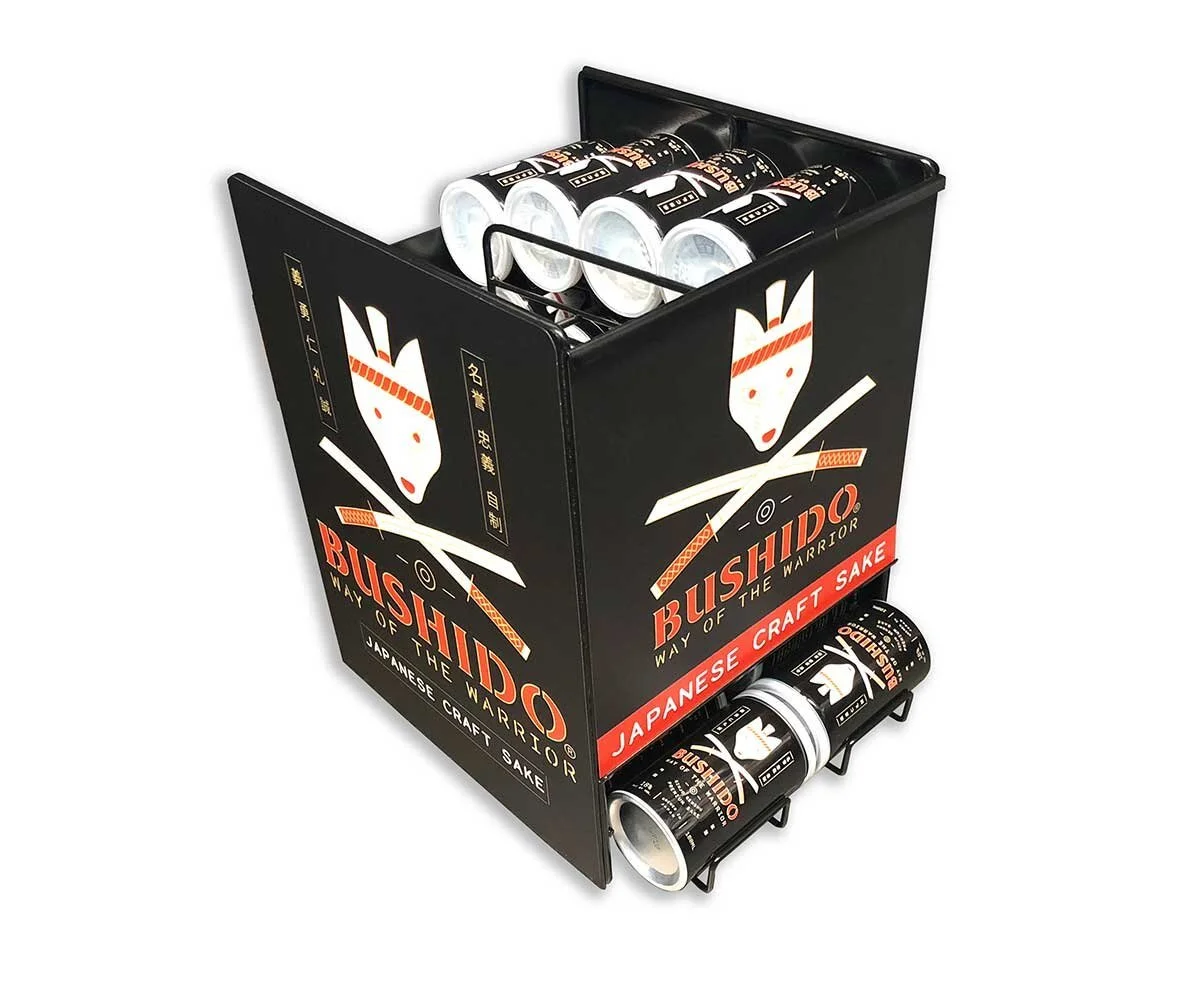
Example of a custom Gravity Feed Display
Endcap Displays
Endcap displays occupy the highly visible ends of retail aisles. Because shoppers naturally pass these locations while moving throughout the store, endcaps often generate significantly more exposure than standard shelving.
Retailers frequently reserve endcaps for promotional campaigns, featured products, and seasonal merchandise.
Best For:
Featured brands
Promotional campaigns
New product launches
Seasonal merchandise
Advantages:
Premium store placement
Heavy shopper traffic
Increased product exposure
Strong promotional impact
Dump Bin Displays
Dump bins are open-top merchandising containers designed to encourage shoppers to browse through products. They are frequently used for discounted merchandise, promotional items, and high-volume impulse products.
Best For:
Toys
Apparel accessories
Snack foods
Clearance items
Promotional merchandise
Advantages:
High product capacity
Encourages browsing
Excellent for promotions
Cost-effective
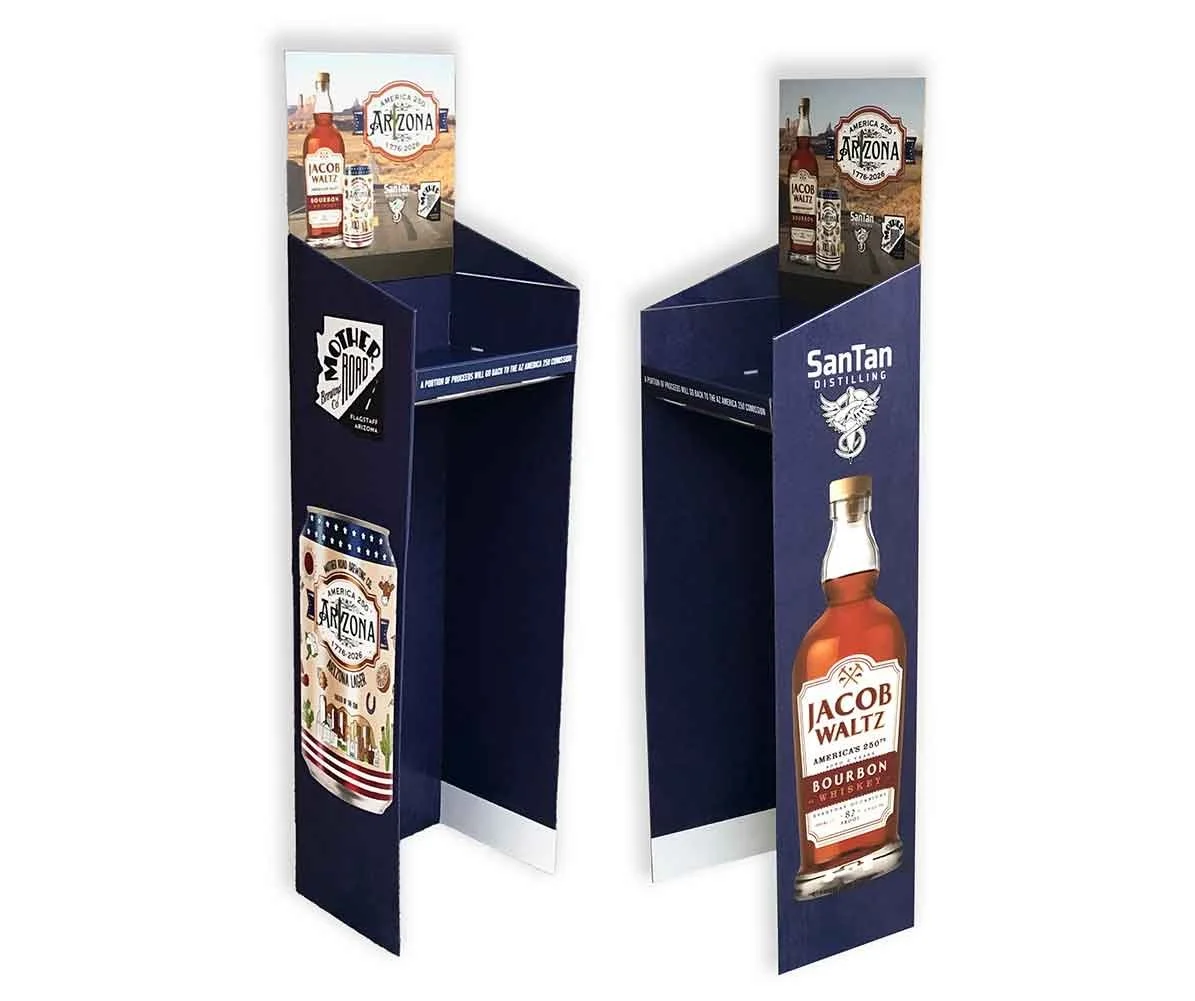
Example of a custom Case Stacker Display
Choosing the Right Retail Display
Every retail program has different objectives. Some displays are designed to generate impulse purchases during a short-term promotion, while others are built to create a permanent branded presence that lasts for years.
When selecting the right display, consider:
Product size and weight
Retail environment
Campaign duration
Budget
Branding objectives
Shipping requirements
Retailer specifications
The most successful retail programs often combine multiple display types to maximize visibility throughout the shopper journey.
Partner with The Alison Group
At The Alison Group, we design and manufacture custom Point-of-Purchase displays that help brands capture attention where it matters most—on the retail floor.
From photorealistic 3D design and prototype development to full-scale manufacturing and nationwide distribution, our team manages every stage of the process to ensure your display performs as beautifully in-store as it does on the drawing board.
Whether you're launching a new product, promoting a seasonal campaign, or expanding into national retail chains, we'll help you create a custom POP display that strengthens your brand, increases product visibility, and supports your retail merchandising goals.
Contact Us Today to Review Your Project